


Bladder Cancer Beyond Blood in Urine: Lesser-Known Symptoms You Shouldn’t Ignore
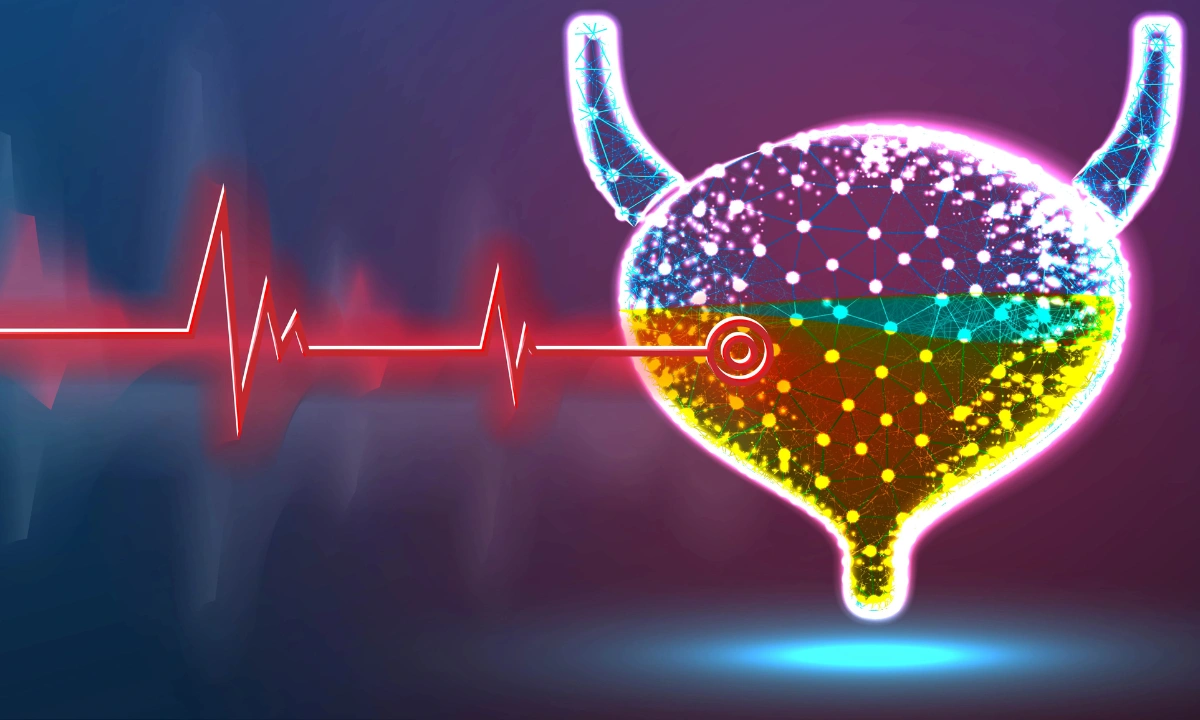
Though blood in urine often signals bladder cancer, some individuals notice unrelated warning signs earlier. Since the organ consists of stretchable muscle tissue, tumors may develop unnoticed, avoiding typical leakage for extended periods. Around 2026, specialists stress awareness of quiet shifts in urinary patterns as key to timely diagnosis. Without obvious discoloration, attention to unusual rhythms in excretion becomes one path toward discovery. Recognizing atypical cues might reveal disease before major complications arise. Later stages bring more pronounced effects; initial phases leave faint traces.
Urinary frequency and urgency changes
It is not unusual for increased urination to signal initial bladder discomfort. Frequent trips to the restroom at night may occur, along with strong impulses despite minimal urine volume. A growth inside the organ could occupy room or provoke inner tissue, resulting in ongoing sensations of urgency. Rather than dismissing such shifts as typical infections or muscle issues, attention tends to be warranted when patterns stay altered. Though many brush it off, consistency in changes suggests further assessment makes sense.
Pain or Burning When You Pee
A stinging feeling when passing urine, called dysuria, commonly goes unnoticed. Though it resembles a bacterial infection, relief may not follow treatment. When repeated therapies fail to ease the sensation, an unseen growth might interfere with bladder movement. The ongoing nature of such discomfort helps clarify whether the cause is short-term or more severe. Noticing how steady the pain remains can guide understanding beyond surface-level explanations.
Unexplained Pelvic or Lower Back Pain
When a tumor increases in size or starts pressing on nearby areas, a constant low ache may appear in the pelvis. Should a mass interfere with the passage of urine between kidney and bladder, discomfort could develop on one side toward the lower spine. That sensation along the flank frequently gets dismissed - it feels much like soreness after physical effort or everyday tiredness. Yet when such pain continues despite stopping activity and occurs together with shifts in urination habits, imbalance within the urinary tract becomes hard to ignore.
The Role of Overall Health and Water Levels
Fluid balance and toxin filtration strongly influence bladder function. When waste storage or expulsion becomes irregular, kidney stress may follow. In children or individuals with past urinary concerns, seeing a specialist in childhood urinary health can support proper system coordination. Stability within this process helps avoid lasting harm while supporting efficient removal of unwanted materials.
Skin Sensitivity and Sensory Awareness
Unexpected shifts in skin condition may follow persistent bladder discomfort. Inflammation spreading through the body, or drugs taken for urinary issues, might alter how skin responds - often resulting in tightness, irritation, or patchy areas. At such times, when surroundings seem suddenly harsh on the surface of the skin, guidance from a doctor who focuses on children's dermatology could bring clarity. Support arrives not just through treatment plans but also through understanding how inner disturbances echo outward, affecting protective layers even as attention turns elsewhere.
Persistent Fatigue and Weight Loss
Later on, bladder cancer may trigger body-wide signals not clearly tied to urination. Without clear cause, losing weight might occur while tiredness takes hold persistently. Energy drains even after rest, leaving routine duties difficult to complete. These indicators alone lack specificity, yet combined with shifts in urinary habits, concern grows. Medical review becomes meaningful under such conditions.
Taking Charge of Bladder Wellness
It begins with timing - spotting signs early makes a difference in how bladder cancer is handled. Often, what shows up might stem from various unrelated issues, not just one cause. What matters most? The symptom stays, even when treated normally. When that happens, closer examination follows. Drinking enough water helps, so does stepping away from things like cigarette fumes. Long term well being of the bladder links closely to daily choices made over time.
Conclusion
One way to spot bladder cancer involves paying attention to less visible symptoms. Not only doctors focused on children’s skin issues, but also teams tracking hydration levels contribute valuable insights. Through early responses to quiet warnings, protection of the urinary tract becomes possible. Should shifts occur in how often or comfortably you urinate, speaking with an expert may bring clarity. Wellness pathways often begin when small concerns prompt thoughtful questions.