


Silent Progression of Kidney Cancer: Why Early Diagnosis Often Gets Missed
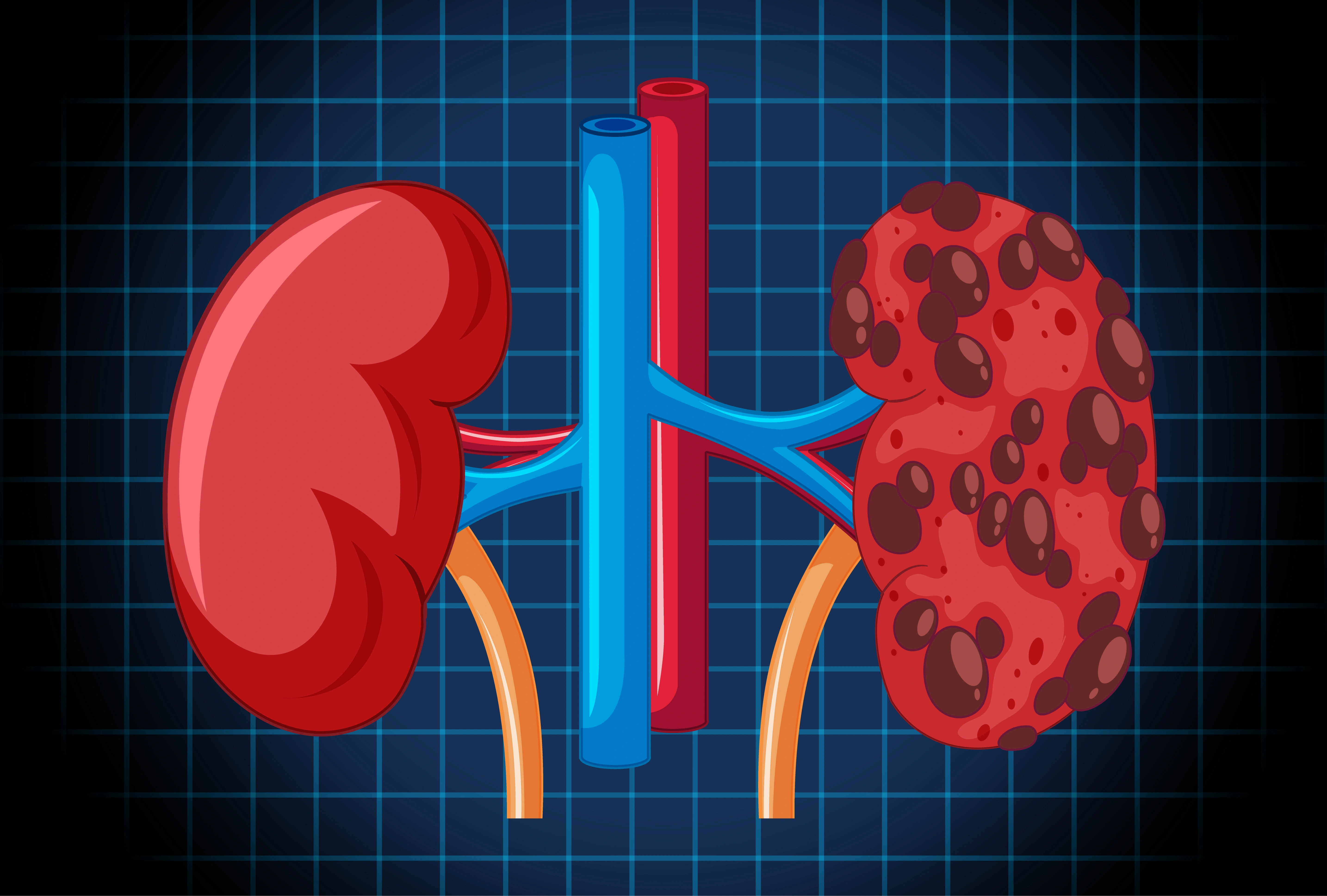
Deep inside the torso lie the kidneys, hidden well enough that growths may develop unnoticed for long stretches. Because of their position, tumors might escape detection through routine touch during medical checks. By 2026, scans have become far more precise, however, diagnosis frequently occurs by chance. Such findings emerge when investigations focus on something else - say, abdominal discomfort or spine concerns. Awareness of these delays helps shape how individuals approach monitoring their kidney function.
The Lack of Early Warning Signs
Rarely during the first phases does kidney cancer produce pain or noticeable signs. Even with a minor growth present, function continues - filtration and fluid balance persist due to substantial functional reserves within the organ. Without sensory nerves in the internal kidney structure, tumors grow silently unless expansion reaches the outer membrane or adjacent tissues. Only once pressure builds might discomfort arise, typically felt as ongoing flank soreness or detected as an abnormal mass. When such signals emerge, advancement past the earliest phase frequently occurs, complicating timely identification.
Misleading Signs and Common Mimics
Should symptoms appear, confusion arises due to their resemblance to milder illnesses. Blood found in urine, a typical indicator of kidney trouble, tends to be seen instead as a minor bladder issue or tiny stone passage. A persistent ache near the spine commonly gets linked to worn muscles or advancing years, not an enlarging internal presence. As discomfort fades between episodes, visits to medical providers are postponed, giving hidden advancement time to take hold.
The Connection Between Overall Health and Body Fluid Levels
Body fluid and blood pressure rely heavily on kidney activity. Should growths disturb normal operations, minor whole-body changes may appear - changes often missed during routine checks. Certain abnormal masses release substances leading to sharp increases in circulation force or unusual spikes in oxygen-carrying cells without clear reason. In children showing ongoing urinary pattern shifts or unstable circulation metrics, evaluation by a specialist in young patients’ urinary systems becomes necessary. Balance across the full filtering network must remain intact; slight imbalances sometimes signal underlying disturbances before obvious symptoms arise.
Skin Indicators and Sensory Changes
Though kidney cancer develops deep inside, signs may show on the surface. Unusual tiredness might accompany a faded look in the complexion, since blood production slows when illness takes hold. Instead of normal warmth, some feel coolness under their skin, paired with ongoing irritation without rash. Without clear triggers, shifts like rough patches or heightened sensitivity prompt closer review. Rather than assuming aging or weather effects, seeking insight from a dermatology expert brings clarity. Even subtle outer differences matter - when unexplained, they form quiet signals linked to inner imbalance. Not every shift points inward, yet patterns emerge when multiple small cues appear together.
The Unexpected Value of Accidental Discoveries
At present, over fifty percent of kidney cancer diagnoses occur unexpectedly when patients have ultrasounds or computed tomography for unrelated symptoms. Because of this pattern, mild stomach unease should never be dismissed without thought. When tests are done due to gallbladder issues or spinal discomfort, attention must also extend to the kidneys’ structure. Such chance discoveries can turn out beneficial - cancer detected this way usually remains confined, allowing treatment using small-scale surgical techniques.
Risk Factors Within Your Control
Though genetic makeup remains fixed, certain surroundings quietly push kidney cells toward tumor formation. High blood pressure that persists over years creates strain; so does tobacco use, acting slowly but steadily. Weight matters too - extra fat shifts hormone signals near the organs. A pattern of daily choices favoring circulation and body mass lowers long-term burden on these vital filters. Lasting effects emerge not from single acts, yet consistent habits shape outcomes beneath awareness.
Conclusion
Quiet growth of kidney cancer shows why small signals from the body deserve attention. A child’s skin doctor spotting deeper issues, or a standard image uncovering something unusual - each detail holds weight. Remaining alert to hydration patterns, while taking seriously signs such as tiredness or discomfort in the back, may reveal what could go unseen. When questions arise about kidney function, speaking with an expert becomes a step worth considering - for long-term protection of natural filtering processes.