


Understanding Chemotherapy for Stomach Cancer
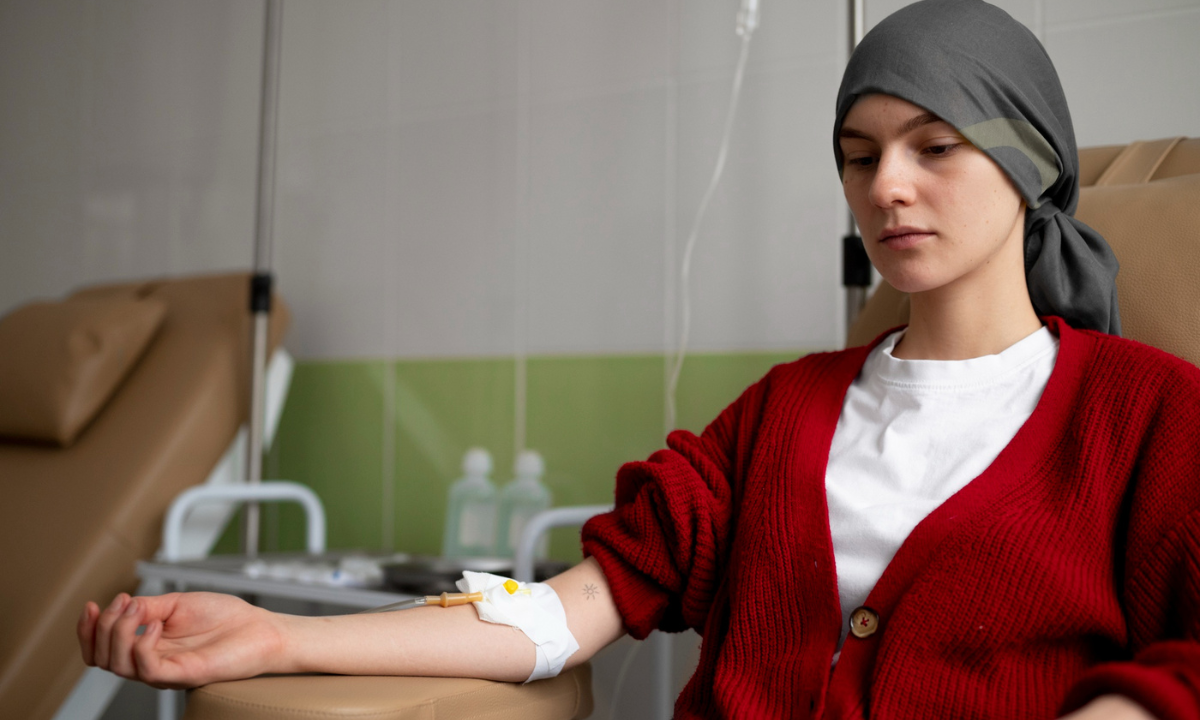
It is a sobering medical fact that the stomach lining can completely replace its surface cells every few days, but this rapid growth is exactly what stomach cancer exploits to spread. Because these cancer cells divide so quickly, doctors often turn to chemotherapy as the primary weapon for treatment. Unlike surgery, which targets a specific spot, chemotherapy is a systemic treatment. This means the medicine travels through your entire bloodstream to find and kill cancer cells that may have broken away from the original tumor. In 2026, we have moved toward much more "targeted" combinations that try to hit the cancer hard while sparing as much of your healthy tissue as possible.
Why Chemotherapy is Used
Not every patient gets chemotherapy for the same reason. For some, it is used before surgery, which doctors call "neoadjuvant" therapy. The goal here is to shrink the tumor enough so the surgeon has an easier time removing it. For others, it comes after the operation to mop up any microscopic cells that were left behind. In more advanced cases where surgery isn't an option, chemotherapy becomes the main tool to manage symptoms and extend life. It is about control and precision, trying to stay one step ahead of a disease that is notorious for being aggressive.
How the Drugs Actually Work
Stomach cancer cells are "addicted" to growing. Chemotherapy drugs are designed to interrupt the life cycle of these fast-growing cells. Some drugs damage the cell's DNA so it can't replicate, while others starve the cell of the nutrients it needs to split. Because the medicine is flowing through your blood, it can reach the lymph nodes and other organs where stomach cancer likes to hide. The trick is that other healthy cells in your body—like those in your hair, mouth, and gut—also grow fast. This is why you see side effects like hair loss or nausea; the medicine is doing its job, but it can’t always tell the difference between a cancer cell and a healthy stomach lining cell.
The Standard Combinations
Usually, you won't just get one drug. Most oncologists use a "cocktail" of two or three different medicines because attacking the cancer from multiple angles makes it harder for the cells to develop resistance. Common drugs include 5-FU, oxaliplatin, and docetaxel. In recent years, we have seen a massive shift toward adding "targeted therapies" or immunotherapy to the mix. These aren't technically chemotherapy, but they work alongside it. They look for specific proteins on the surface of the cancer cells, like the HER2 protein, and act like a homing missile to guide the treatment exactly where it needs to go.
Managing the Side Effects
The "chemo" experience has changed a lot in the last decade. We have much better "pre-meds" now—drugs given before the infusion to prevent vomiting and extreme nausea before they even start. You might still feel very tired or notice a metallic taste in your mouth. Some people get "cold sensitivity" from certain drugs like oxaliplatin, where touching anything cold feels like a sharp sting. The key is communication with your care team. Most of these side effects are manageable if you catch them early, and they almost always disappear once the treatment cycle is finished and your healthy cells have a chance to regrow.
The Treatment Cycle
Chemotherapy isn't a daily thing. It usually happens in "cycles." You might get a treatment one day, or over a few days, and then have two or three weeks off. This "off" time is the most important part of the process. It gives your bone marrow a chance to produce new white blood cells so your immune system stays strong. Your doctors will watch your blood counts like a hawk. If your levels drop too low, they might delay a cycle or give you a "booster" shot to help your body recover. It is a balancing act between hitting the cancer and letting your body rest.
Nutrition and Support During Treatment
Eating becomes a challenge when you are treating stomach cancer. The disease itself affects your appetite, and chemo can make food taste like cardboard. Small, frequent meals are usually the way to go. You want high-protein, high-calorie foods that don't take a lot of energy to digest. Many patients find that ginger tea or protein shakes are easier to handle than a full meal. Staying hydrated is non-negotiable because the water helps your kidneys flush the leftover chemotherapy chemicals out of your system.
Conclusion
Chemotherapy for stomach cancer is a complex but vital path toward recovery or management. It is no longer the "one size fits all" approach it used to be. With the integration of digital mapping and personalized medicine, your oncology team can tailor the drugs to your specific genetic makeup. While the journey is undeniably tough, the technology of 2026 has made the process more effective and the side effects more predictable. Understanding the "why" and "how" of your treatment is the first step in taking back control of your health. It is a fight, but it is one where you have a very sophisticated arsenal on your side.